
Quick Summary
Police impound vehicle recovery means collecting a car, van or motorcycle that the police have removed to a pound, and taking it home, to a garage or wherever it needs to go. In London the Metropolitan Police keep removed vehicles at their pounds in Perivale (UB6 7LR) and Charlton (SE7 7HY). The owner or registered keeper proves who they are and that the vehicle is theirs, pays the statutory charges, and then collects it — or asks a recovery company to collect it for them, which is often the only lawful way when the vehicle is untaxed, has no MOT or is damaged.
Introduction, Quick Answer & Key Takeaways
Finding your vehicle gone is stressful, and finding out it is in a police pound raises a list of questions at once: why was it taken, what will it cost, what do I need to bring, and how do I get it out? Quick answer: read the notice or letter you were given, gather the documents it lists, act quickly because charges are added for every day the vehicle is stored, and arrange collection — yourself if the vehicle is legal to drive, or with a recovery company if it is not. Key takeaways: do not wait, check the Met's own page for opening times before you travel, and if the vehicle cannot be driven out, book recovery for the same visit so you pay for one trip, not two.
Why Do the Police Impound Vehicles?
The police can remove a vehicle for a number of reasons. The most common in London are:
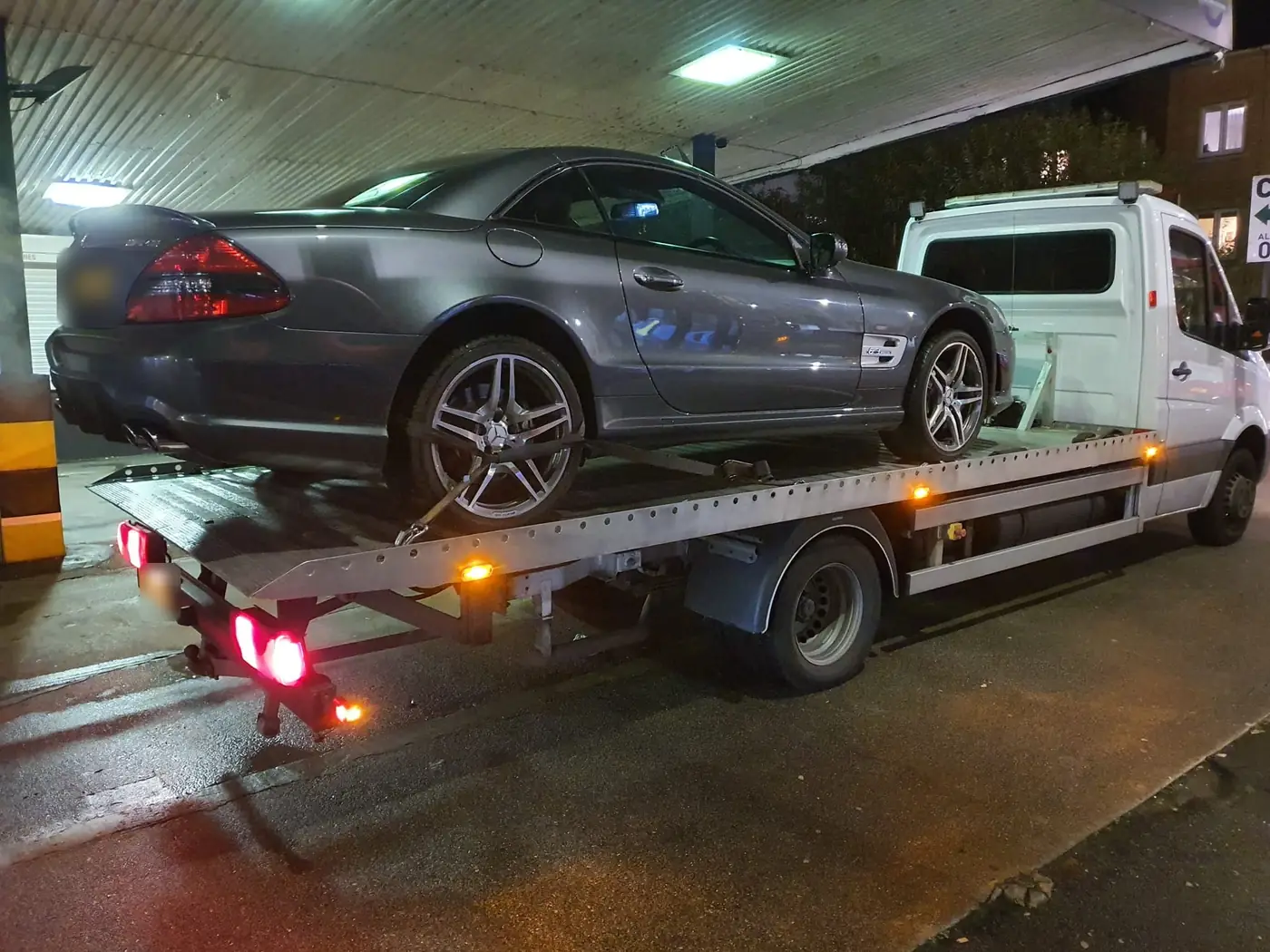
- Accident or crash damage. After a collision, the police can remove a vehicle that is too damaged to drive, is blocking the road or is needed while the collision is investigated. It is taken to a pound, and it usually has to leave on a recovery truck.
- No insurance or no valid driving licence. Officers can seize a vehicle driven without insurance or without a licence that covers it (section 165A of the Road Traffic Act 1988). Please note: we cannot collect a vehicle seized for having no insurance until the required insurance policy is in place. However, we can refer you to our insurance partners in these cases.
- Anti-social driving. A vehicle used in a way that causes alarm, distress or annoyance can be seized after a warning (section 59 of the Police Reform Act 2002).
- Dangerous or obstructive parking, or a vehicle broken down and left where it causes danger.
- Abandoned vehicles.
- Vehicles recovered after theft, or needed as evidence after a collision or crime.
Whatever the reason, the notice or letter the police give you is the most important piece of paper you have. It says why the vehicle was taken, which pound it is in, what you must bring and the date by which it must be collected.
What Do You Need to Collect a Vehicle from a Police Pound?
The exact list is on your notice, and it depends on why the vehicle was taken. As a rule, the owner or registered keeper must:
- Prove who they are, with photo identification.
- Prove the vehicle is theirs, usually with the V5C registration document.
- Show valid insurance where the vehicle is to be driven away. For a vehicle seized for having no insurance, the Met warns that short-term or temporary cover may not be accepted.
- Pay the statutory removal and storage charges. These are set by law, not by the pound, and the vehicle is not released until they are paid.
The Met also lets owners make some claims online through its Self Service Portal, and book a time to collect. Their page for the Charlton and Perivale pounds has the current details and opening hours — check it before you travel.
Why Use a Recovery Company to Collect an Impounded Vehicle?
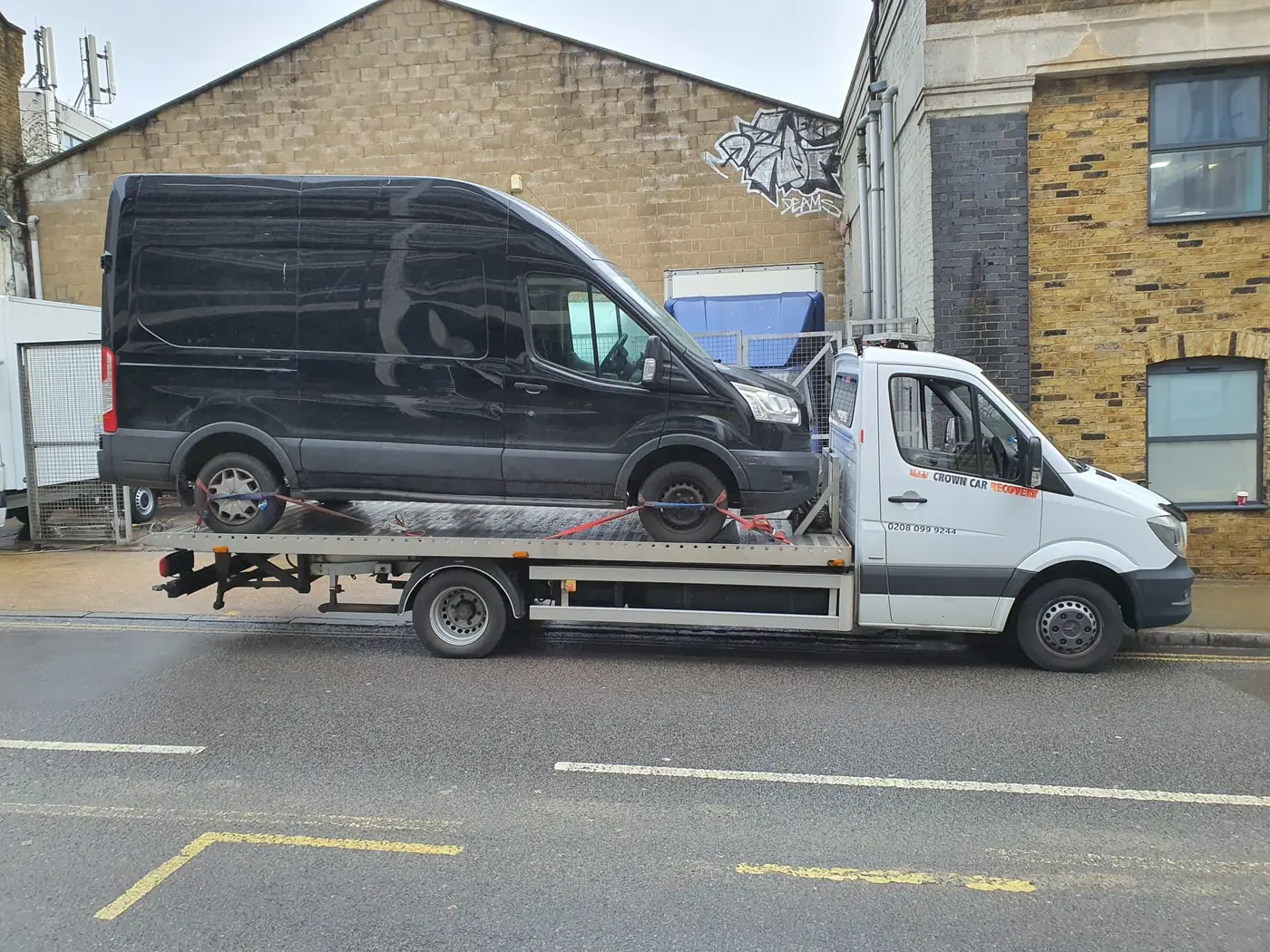
Many impounded vehicles cannot legally be driven out of the pound. If it is untaxed, has no MOT, is damaged or simply will not start, it has to leave on a truck. Repairs such as tyre changes and jump starts are not allowed on site, so a non-runner goes on the truck too.
A professional recovery operator collects it with your written authority, brings their own driving licence and insurance for recovery work, and follows the Met's loading and unloading guidelines for recovery operators. The Met publishes the documents required by recovery operators as well, so you can see exactly what we bring.
Crown Car Recovery collects from both Met pounds every week. See our pages for Perivale police car pound recovery and Charlton police car pound recovery, or our main car pound and police pound recovery page.
How Police Pound Recovery Works, Step by Step
- Read your notice. Note which pound, the reference and the collection deadline.
- Gather the documents it lists, and pay or arrange to pay the statutory charges.
- Call us with the pound, the vehicle and where it needs to go. We agree the price on the call.
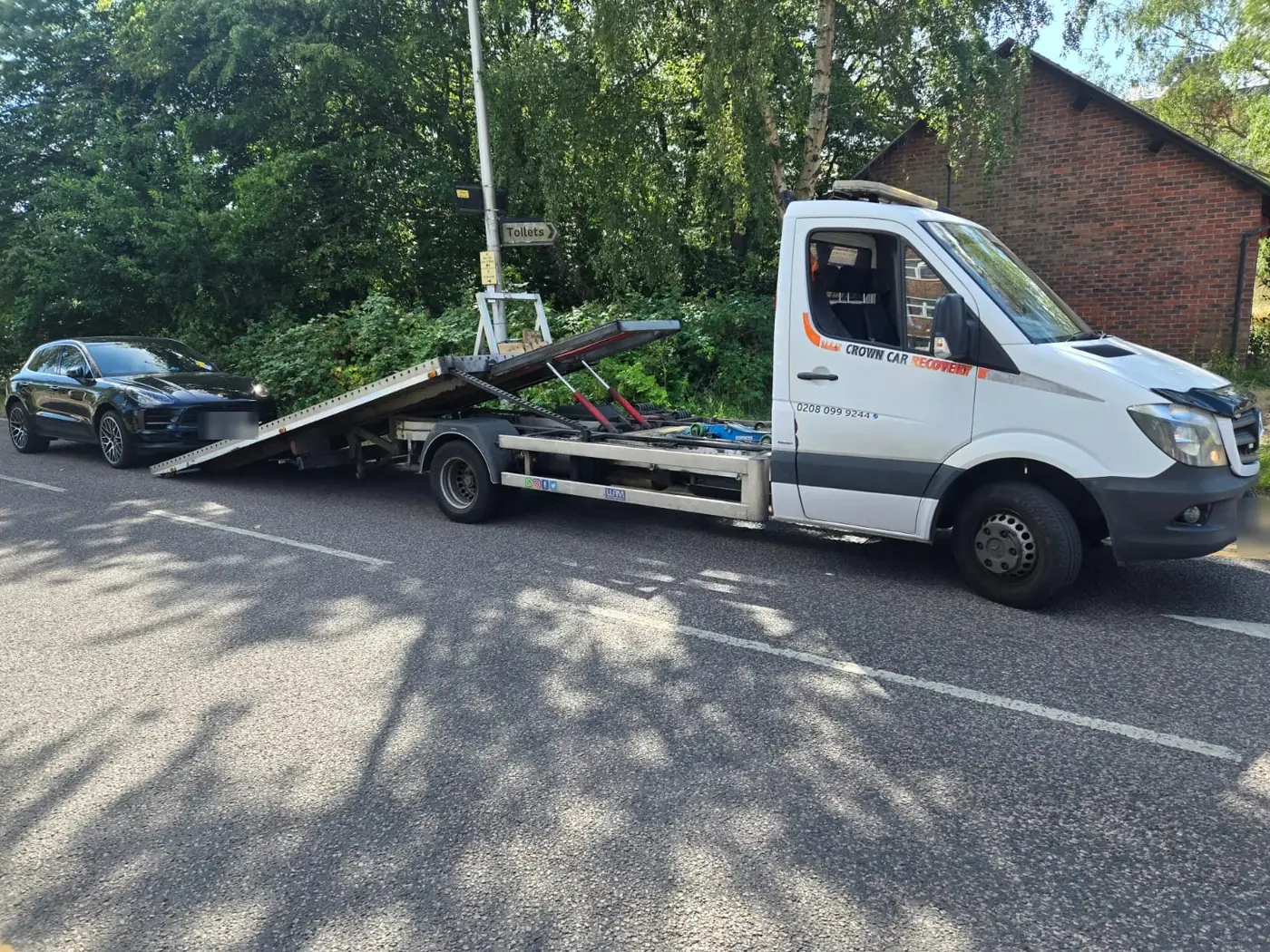
- We collect it from the pound with your authority, loaded and strapped the way the Met requires.
- We deliver it to your home, your garage, a repair centre or secure storage.
Don't Leave It: Storage Charges and Disposal
Storage is charged for every day the vehicle stays in the pound, so a delay of a few days costs real money. A vehicle that is not reclaimed by the date on the notice can be disposed of. If you think the removal was wrong, the Met's advice is clear: you must still reclaim the vehicle before the disposal date, and pay the charges, while you dispute it. Their page on how to complain about the removal of a vehicle explains how.
Useful Met Police Pages
- Charlton and Perivale pounds
- Impounded vehicles
- Seized vehicles
- Lost or stolen vehicles
- How to complain about the removal of a vehicle
Frequently Asked Questions
Can someone else collect my car from a police pound?
Yes, in most cases. The Met allows a third party to collect with a signed letter of authority from the owner or keeper, and a recovery company collects on your behalf in the same way. Check your notice for anything specific to your case.
Can I drive my car out of the pound if it has no MOT or tax?
No. A vehicle that is not taxed, insured and roadworthy cannot legally be driven away, so it has to be recovered on a truck. That is the most common reason people call us for pound collection.
How much does it cost to get a car out of a police pound?
The pound's removal and storage charges are statutory, set by law, and must be paid before the vehicle is released; storage is added for every day it stays there. Our recovery charge is separate and agreed with you on the call.
What happens if I don't collect my impounded vehicle?
It can be disposed of after the date given on your notice. Disputing the removal does not stop that date, so reclaim the vehicle first.
Which police pounds does Crown Car Recovery collect from?
We collect from the Metropolitan Police pounds at Perivale and Charlton, and from local authority and DVLA pounds across London. Call us on 020 8099 9244 with the pound and the vehicle and we will tell you what we need.